


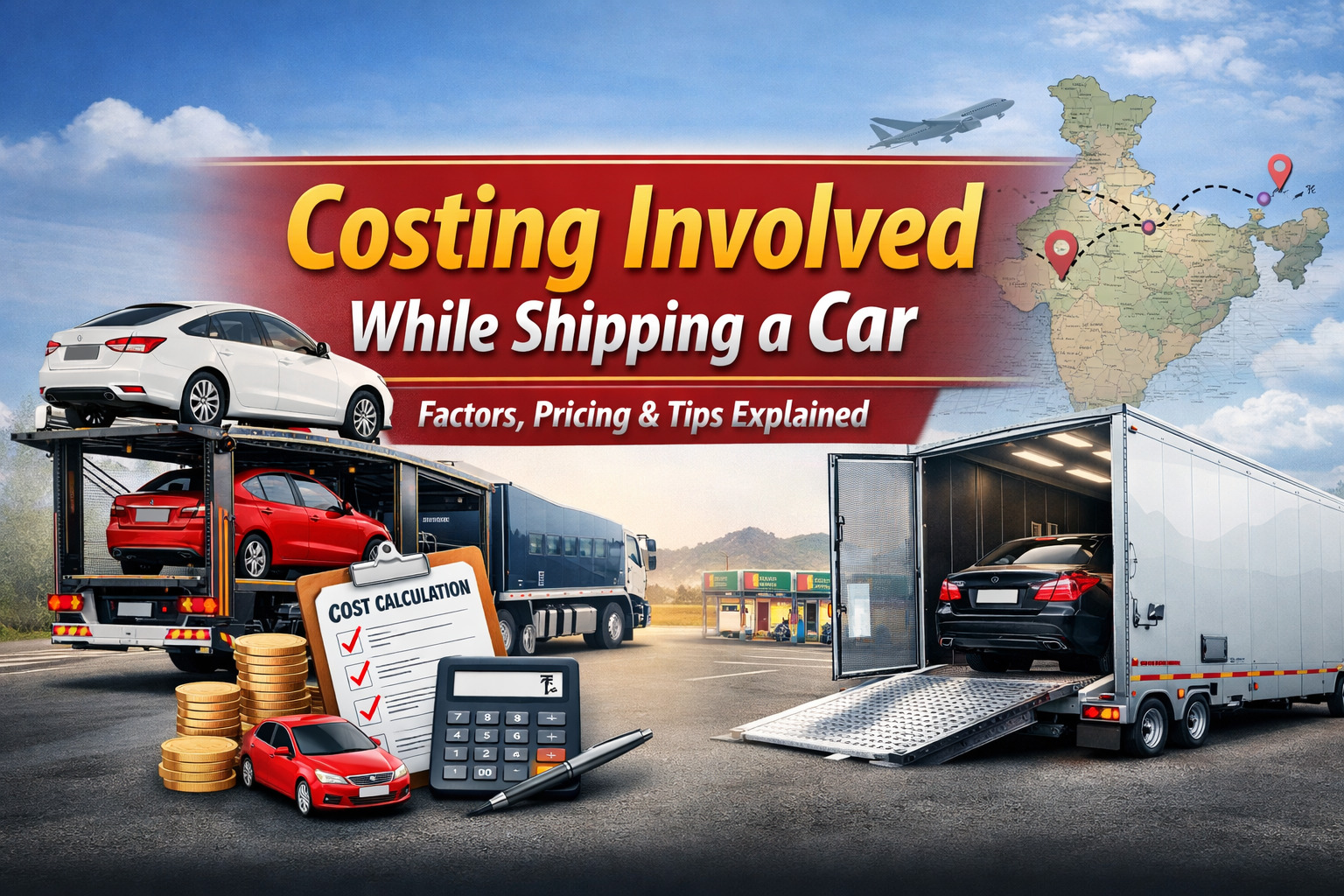
Costing Involved While Shipping a Car: Complete Guide
Shipping a car can be a smart and convenient solution when relocating, buying a vehicle from another city, or moving long-distance. However, understanding the costing involved while shipping a car is essential to avoid surprises and plan your budget effectively. This guide explains all the major factors, pricing components, and tips to help you make an informed decision.
What Determines the Cost of Shipping a Car?
The cost of car transportation is not fixed—it varies depending on multiple factors. Here are the key elements that influence pricing:
1. Distance of Transportation
Distance plays a major role in determining the total cost. The longer the distance, the higher the price. However, per-kilometer rates may decrease for long-distance shipments compared to shorter ones.
2. Type of Car
The size, weight, and model of your car significantly affect the cost. For example:
-
Hatchbacks are cheaper to transport
-
Sedans fall in the mid-range
-
SUVs and luxury vehicles cost more due to size and handling requirements
3. Transportation Method
There are mainly two types of car shipping options:
-
Open Carrier Transport: Budget-friendly but exposes the car to weather and dust
-
Enclosed Carrier Transport: More expensive but offers maximum safety, ideal for luxury cars
4. Pickup and Delivery Location
Costs vary depending on whether the pickup and drop locations are:
-
Metro cities (cheaper due to accessibility)
-
Remote or rural areas (higher due to limited transport routes)
5. Time and Season
Shipping costs can fluctuate depending on demand:
-
Peak seasons (summer, festive periods) may have higher rates
-
Off-season bookings can be more affordable
Breakdown of Cost Components
Understanding the individual price of transporting a car in India elements helps you see where your money goes.
1. Base Transportation Charges
This is the primary cost calculated based on distance, car type, and carrier option.
2. Insurance Charges
Most transport companies offer insurance to cover damages during transit. This usually costs a small percentage of the car’s value but is highly recommended.
3. Packing and Handling Fees
Though cars are not packed like household goods, protective measures such as covers or padding may incur additional charges.
4. Loading and Unloading Charges
Labor charges for safely loading and unloading the vehicle are often included but may sometimes be listed separately.
5. Toll Taxes and State Entry Fees
These are added depending on the route taken during transportation.
6. GST and Other Taxes
In India, Goods and Services Tax (GST) is applicable on car transport services and is included in the final bill.
Estimated Cost of Car Shipping in India
Here’s a general idea of pricing based on distance:
-
Within City: Rs2,000 – Rs5,000
-
Short Distance (Up to 500 km): Rs5,000 – Rs10,000
-
Medium Distance (500–1500 km): Rs10,000 – Rs20,000
-
Long Distance (1500+ km): Rs15,000 – Rs40,000
Luxury or premium cars transported via enclosed carriers may cost significantly more.
Additional Factors That May Affect Pricing
-
Fuel Price Fluctuations: Directly impact transport costs
-
Urgent Delivery Requests: Faster delivery may cost extra
-
Vehicle Condition: Non-running cars require special handling
-
Route Accessibility: Difficult terrains increase cost
Tips to Reduce Car Shipping Costs
To save money while ensuring safe transport, consider these practical tips:
-
Compare Multiple Quotes: Always get estimates from different service providers
-
Choose Open Transport: If your car doesn’t need extra protection
-
Book in Advance: Last-minute bookings are usually expensive
-
Avoid Peak Seasons: Transport during off-peak times for better deals
-
Check for Hidden Charges: Ensure transparency in pricing
How to Choose the Right Car Shipping Service
Selecting a reliable company is as important as understanding costs. Look for:
-
Verified and licensed transporters
-
Positive customer reviews
-
Insurance coverage options
-
Transparent pricing with no hidden fees
A trusted service provider ensures your car reaches safely without unexpected expenses.
Conclusion
Understanding the costing involved while shipping a car helps you plan better and avoid unnecessary expenses. From distance and vehicle type to transport method and seasonal demand, multiple factors influence the final price. By comparing quotes, choosing the right shipping option, and booking at the right time, you can make car transportation both cost-effective and hassle-free.
FAQs
1. What is the cheapest way to ship a car?
The most affordable option is usually open carrier transport, especially for standard vehicles over long distances.
2. Is insurance necessary when shipping a car?
Yes, insurance is highly recommended to protect your vehicle against potential damage during transit.
3. How long does car shipping take?
It depends on the distance. Typically, it can take anywhere from 2 to 10 days within India.
4. Can I keep personal items inside my car during transport?
Most transport companies discourage this as it may increase weight and risk, and items are usually not insured.
5. Are there any hidden charges in car shipping?
Reputed companies provide transparent quotes, but always confirm details like tolls, taxes, and handling charges beforehand.