


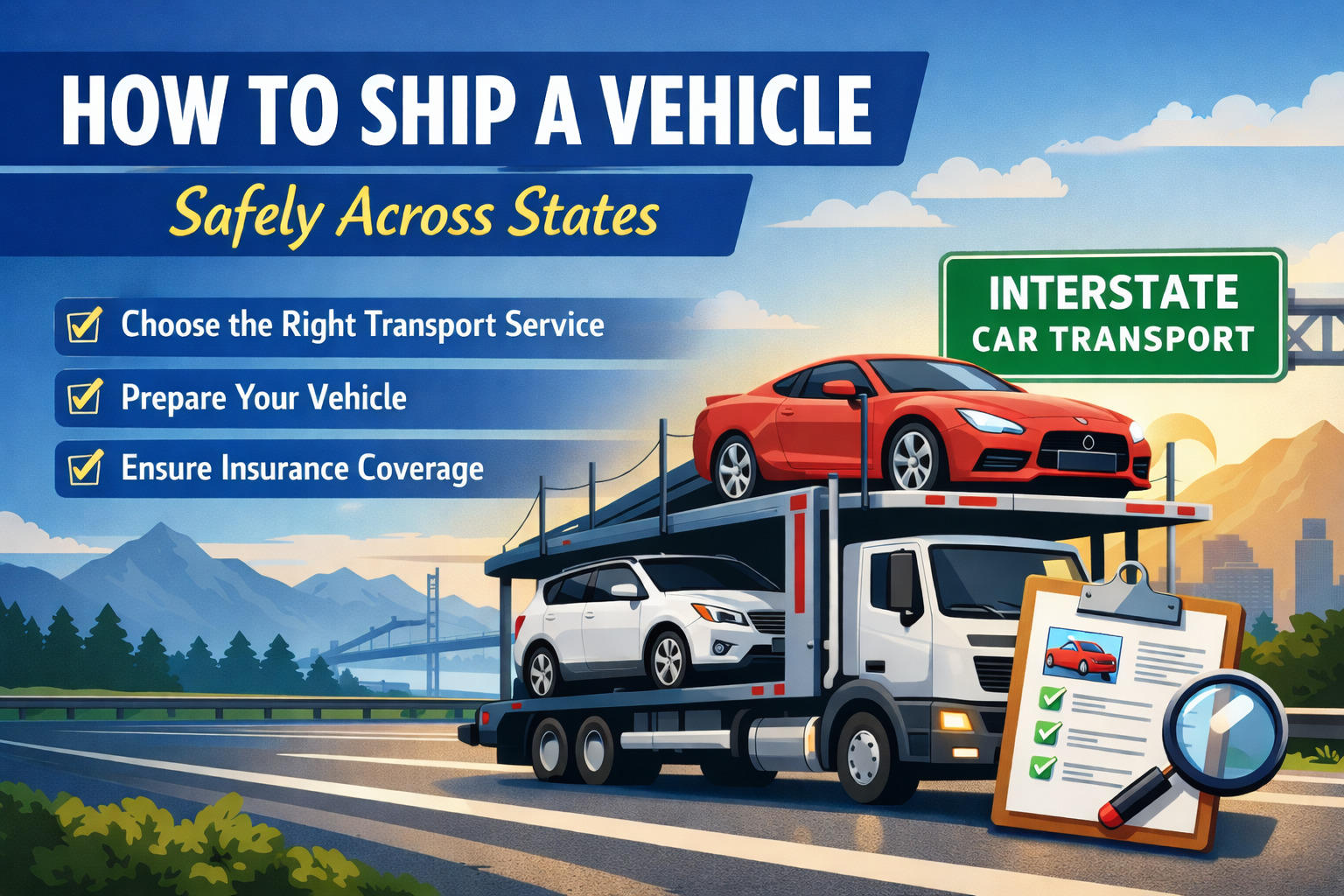
How to Ship a Vehicle Safely Across States
1. Choose the Right Vehicle Transport Method
When it comes to interstate vehicle shipping, selecting the right transport method is crucial. There are primarily two options:
-
Open Carrier Transport: The most common and cost-effective method, where vehicles are transported on an open trailer along with other vehicles. While economical, it exposes your car to weather conditions and road debris.
-
Enclosed Carrier Transport: A premium option where your vehicle is transported inside an enclosed trailer. This method offers superior protection against weather, dust, and potential damage, making it ideal for luxury, classic, or high-value cars.
Consider your budget, the value of your vehicle, and the level of protection you need before deciding.
2. Research and Hire a Reputable Vehicle Shipping Company
Not all car transport companies are created equal. Hiring a reliable and experienced vehicle shipping service is critical to ensuring your car arrives safely. Here are some tips:
-
Check reviews and ratings online.
-
Verify the company’s registration with the Department of Motor Vehicles or relevant authorities.
-
Ensure they offer insurance coverage for damages during transport.
-
Request quotes from multiple companies to compare prices and services.
A trustworthy transport service will provide transparent pricing, tracking options, and timely delivery.
3. Prepare Your Vehicle for Shipping
Proper preparation of your car can prevent damage and streamline the shipping process. Follow these steps:
-
Clean the Vehicle: Wash your car thoroughly. This helps you inspect the vehicle for pre-existing scratches, dents, or damages.
-
Remove Personal Items: Transport companies usually prohibit personal belongings inside the vehicle. Remove all items to prevent theft or damage.
-
Check for Leaks and Mechanical Issues: Ensure your car has no fluid leaks or mechanical problems that could worsen during transit.
-
Document Vehicle Condition: Take clear photos of your car from all angles. This will be useful for insurance claims if any damage occurs.
-
Fuel Level: Keep the fuel tank at around a quarter full. Too much fuel can add weight and pose a risk, while an empty tank might prevent starting the car upon delivery.
4. Understand the Costs Involved
Vehicle shipping costs can vary based on several factors:
-
Distance: Longer distances typically cost more.
-
Transport Type: Enclosed carriers are more expensive than open carriers.
-
Vehicle Size and Weight: Larger vehicles cost more to transport.
-
Season: Peak moving seasons, like summer, may have higher rates.
Requesting detailed quotes from multiple companies helps you understand the cost breakdown and avoid hidden charges.
5. Choose the Right Time for Shipping
Timing is essential in car biketransport. Consider these tips:
-
Schedule shipping in advance to secure your preferred dates.
-
Avoid extreme weather seasons like heavy rains or snowstorms.
-
If you have flexibility, consider off-peak seasons for better rates.
6. Insurance and Safety Precautions
Most reputable transport companies provide insurance coverage, but it’s essential to verify:
-
Confirm the coverage type and limits.
-
Understand what damages are included and excluded.
-
Consider additional insurance for high-value vehicles if necessary.
Taking these precautions ensures that you won’t face unexpected costs in case of damage.
7. Track Your Vehicle During Transit
Modern vehicle transport companies offer GPS tracking. This allows you to:
-
Monitor your car’s location in real-time.
-
Receive updates on estimated delivery times.
-
Communicate directly with the driver if needed.
Tracking gives peace of mind and helps you prepare for the vehicle’s arrival.
8. Inspect Your Vehicle Upon Delivery
Once your car arrives:
-
Conduct a thorough inspection comparing it to the pre-shipping photos.
-
Check for any damages, scratches, or missing parts.
-
Report any discrepancies immediately to the transport company.
Proper inspection ensures accountability and smooth insurance claims if required.
Conclusion
Shipping a vehicle across states doesn’t have to be stressful. By choosing the right vehicle transport method, hiring a reputable company, preparing your vehicle properly, and understanding costs and insurance, you can ensure a safe and smooth transit. With careful planning, your vehicle can reach its destination in the same condition it left, giving you peace of mind throughout the moving process.
FAQs
1. How long does it take to ship a vehicle across states?
The transit time depends on the distance, transport type, and route. Typically, it ranges from 3 to 10 days for standard interstate shipping.
2. Can I ship a car that doesn’t run?
Yes, but you must inform the transport company in advance. Special equipment may be needed for loading and unloading a non-operational vehicle.
3. Is it safe to ship personal items inside my car?
Most companies prohibit personal belongings inside vehicles due to liability and insurance policies. It’s safer to remove all items before shipping.
4. How much does it cost to ship a car across states?
Costs vary based on distance, vehicle size, transport type, and season. On average, open carrier transport ranges from ₹15,000 to ₹40,000 for long-distance moves in India.
5. What should I do if my car is damaged during transit?
Document the damage immediately and contact the transport company. Use your pre-shipping photos and insurance policy to file a claim.