


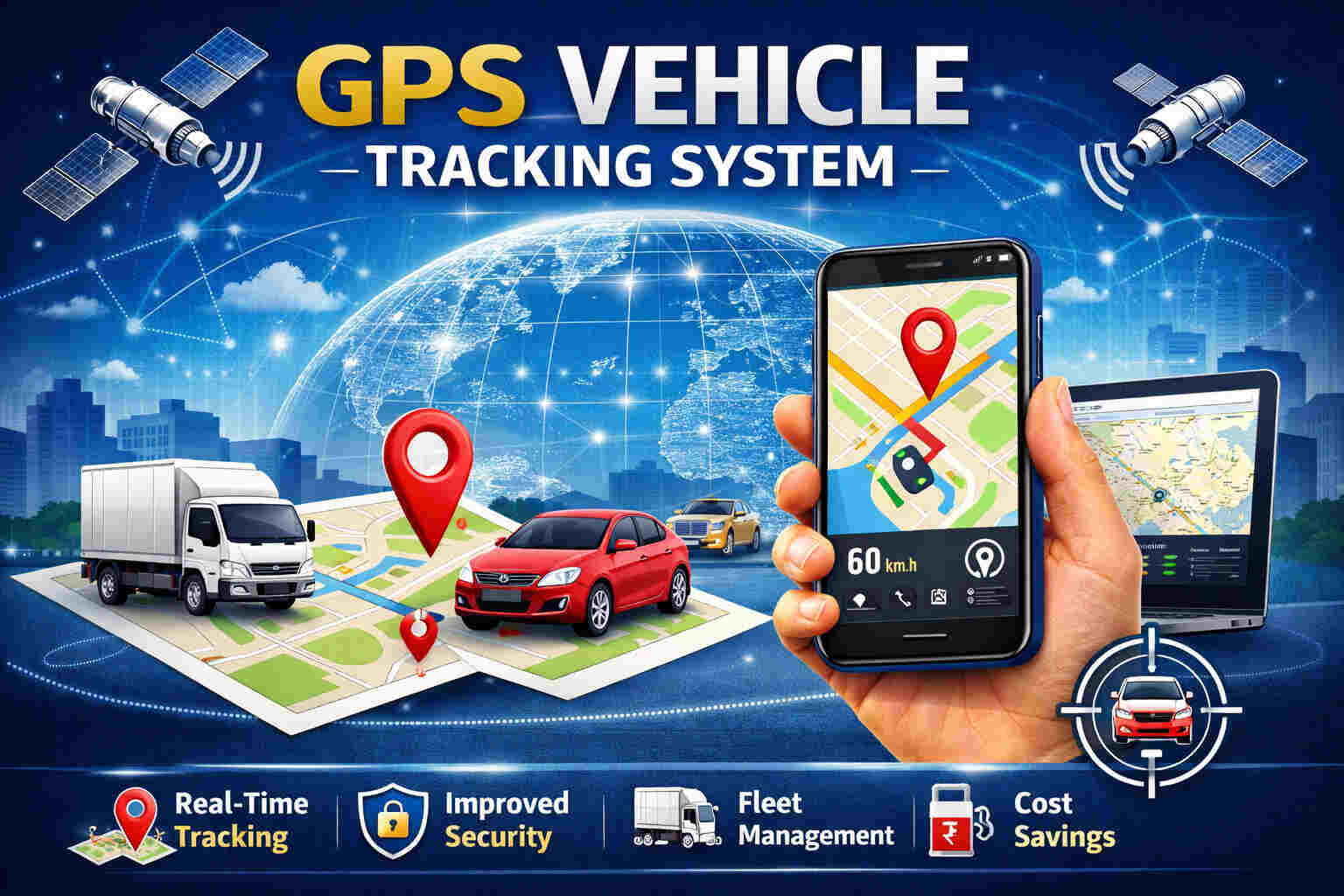
GPS Vehicle Tracking System: A Complete Guide for Businesses and Individuals
What is a GPS Vehicle Tracking System?
A GPS Vehicle Tracking System is a device installed in a vehicle that uses the Global Positioning System (GPS) to determine its real-time location. The system sends data such as location, speed, route history, and engine status to a centralized software platform that users can access via mobile apps or web dashboards.
These systems are widely used in logistics, car transportation, delivery services, and personal vehicle tracking.
How Does a GPS Vehicle Tracking System Work?
A GPS tracking system operates using three main components:
1. GPS Device
Installed in the vehicle, it collects location data using satellites.
2. Network Connectivity
The device uses GSM, 4G, or satellite networks to transmit data to the server.
3. Software Interface
Users can view real-time data through apps or web platforms, including maps, reports, and alerts.
Key Features of GPS Vehicle Tracking Systems
Modern GPS tracking systems come with advanced features that make vehicle transportation management easier and more efficient:
-
Real-Time Tracking: Monitor the exact location of vehicles at any time
-
Route History: Access past routes and travel history
-
Geo-Fencing: Set virtual boundaries and receive alerts when vehicles enter or exit specific areas
-
Speed Monitoring: Track speed and receive alerts for overspeeding
-
Fuel Monitoring: Detect fuel consumption and prevent theft
-
Engine Status: Monitor ignition on/off status
-
Mobile App Access: Track vehicles from anywhere using smartphones
-
Emergency Alerts: Get instant notifications in case of accidents or unauthorized usage
Benefits of Using a GPS Vehicle Tracking System
1. Improved Vehicle Security
One of the biggest advantages is enhanced security. In case of theft, the real-time tracking feature helps locate and recover the vehicle quickly.
2. Better Fleet Management
Businesses can efficiently manage multiple vehicles, optimize routes, and reduce idle time.
3. Cost Savings
By optimizing routes and monitoring fuel consumption, businesses can significantly reduce operational costs.
4. Increased Productivity
Drivers stay accountable, follow assigned routes, and avoid unnecessary stops, leading to better performance.
5. Enhanced Customer Service
Accurate delivery timelines and real-time updates improve customer satisfaction.
6. Reduced Fuel Consumption
Monitoring driving behavior and route planning helps in minimizing fuel wastage.
Types of GPS Vehicle Tracking Systems
1. Passive Tracking System
Stores data locally and uploads it later for analysis. Suitable for basic tracking needs.
2. Active Tracking System
Provides real-time updates and is ideal for fleet management and logistics.
3. OBD GPS Trackers
Plug directly into the vehicle’s OBD port and provide detailed diagnostics.
4. Hardwired GPS Trackers
Installed directly into the vehicle’s electrical system for continuous tracking.
Who Should Use a GPS Vehicle Tracking System?
A GPS tracking system is beneficial for:
-
Logistics and transportation companies
-
Taxi and ride-sharing services
-
Delivery businesses (e-commerce, food delivery)
-
Construction companies
-
School and college transport systems
-
Individual car owners for safety and monitoring
How to Choose the Right GPS Vehicle Tracking System?
When selecting a GPS tracking system, consider the following factors:
-
Accuracy and Reliability: Ensure real-time and precise tracking
-
Ease of Use: User-friendly interface and mobile app
-
Features: Choose based on your needs (fuel monitoring, geo-fencing, etc.)
-
Cost: Compare pricing and subscription plans
-
Customer Support: Reliable technical assistance is essential
-
Scalability: Suitable for future expansion of your fleet
Future of GPS Vehicle Tracking Systems
With advancements in technology, GPS tracking systems are becoming smarter and more efficient. Integration with AI, IoT, and cloud computing is enabling predictive maintenance, advanced analytics, and automation.
In the future, these systems will play a crucial role in smart transportation, autonomous vehicles, and improved road safety.
Conclusion
A GPS Vehicle Tracking System is no longer a luxury but a necessity in today’s digital age. It offers real-time monitoring, improves vehicle security, enhances operational efficiency, and reduces costing involve in transportation car. Whether you are a business owner managing a fleet or an individual looking to secure your vehicle, investing in a GPS tracking system is a smart decision.
By choosing the right system and utilizing its features effectively, you can gain complete control over your vehicles and ensure smooth operations.
FAQs
1. What is the cost of a GPS vehicle tracking system?
The cost varies depending on features and type. Basic systems may start from ₹1,000–₹3,000, while advanced systems with subscriptions can cost more.
2. Can I track my vehicle in real-time?
Yes, active GPS tracking systems provide real-time location updates through mobile apps or web dashboards.
3. Is GPS tracking legal in India?
Yes, GPS tracking is legal in India, especially for personal vehicles and business fleets, as long as it complies with privacy regulations.
4. Does a GPS tracker work without the internet?
GPS works via satellites, but data transmission requires a network (GSM/Internet) to show real-time updates.
5. Can GPS tracking help reduce fuel costs?
Yes, it helps monitor fuel usage, detect theft, and optimize routes, leading to significant fuel savings.